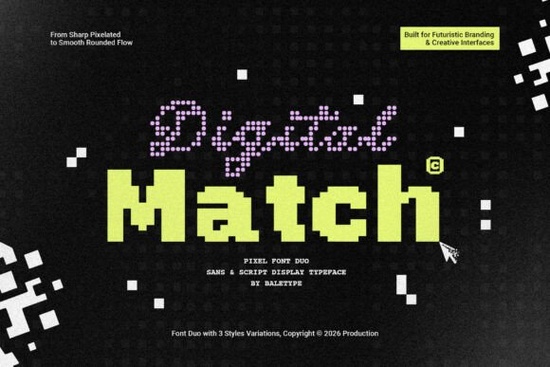
If you're looking for a clean, futuristic typeface that works equally well on screen and in print especially for tech-themed projects, game assets, or digital branding the Digital Match Font is a practical choice. It’s not overly stylized or hard to read at small sizes, and its pixel-inspired structure gives it quiet personality without sacrificing clarity. Designed as a font duo (script + sans), it offers flexibility right out of the box no need to hunt for complementary styles.
What makes Digital Match different from other pixel fonts?
Many pixel fonts lean heavily into retro gaming aesthetics think chunky 8-bit blocks or exaggerated dithering. Digital Match takes a more refined approach. Its script and sans variants share proportional spacing and consistent weight contrast, so they pair naturally even when mixed in headlines and body text. Each style comes in three weights (light, regular, bold), letting you build visual hierarchy without switching families.
The script isn’t overly cursive or decorative it’s controlled, slightly geometric, and legible even at 14pt. The sans is clean but with subtle squared terminals and soft corners, nodding to digital interfaces without feeling sterile. Both support Latin-based languages, plus extended Latin characters used in French, Spanish, German, Dutch, and Scandinavian languages handy if you’re designing for international audiences or multilingual POD products.
Where does it work best?
This font shines where modern meets functional: event posters for tech meetups, app UI mockups, Twitch overlays, merch for indie game studios, or minimalist branding for SaaS tools. Because it’s not tied to one era or trend, it avoids looking dated quickly. You’ll also find it useful for SVG cutting files its clean outlines convert cleanly to vector paths, and the consistent stroke widths help with laser engraving or vinyl cutters.
For print-on-demand sellers, it’s a solid option for niche markets: coding bootcamps, cybersecurity courses, or hardware startups. Unlike some display fonts that vanish at small sizes, Digital Match remains readable down to ~10pt in print great for labels, packaging copy, or booklet footers.
How does it compare to other popular Creative Fabrica fonts?
If you like the structured energy of Varsity Texture Font, you’ll appreciate Digital Match’s intentional geometry but without the distressed texture. For designers who use Main Street Traffic Font for playful urban vibes, Digital Match offers a calmer, more focused alternative ideal when tone matters more than whimsy.
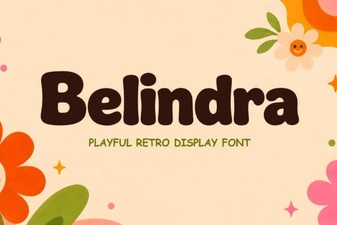
It shares some of the clean minimalism of Goodwin Font, but adds pixel-rooted character. And while Kafu Font leans elegant and handwritten, Digital Match stays grounded in digital utility. If you’ve used Belindra Font for soft, friendly branding, consider Digital Match when your project needs sharper definition like a developer tool logo or an API documentation header.
Practical tips before you download
- Test both script and sans together first try pairing the light script with bold sans for headers, or regular sans with light script for subheads. Avoid mixing bold script with bold sans; it can feel unbalanced.
- Use OpenType features sparingly: the font includes standard ligatures and stylistic alternates, but most projects don’t need them. Enable them only if you’re refining a final logo or poster.
- For web use, convert to WOFF2 and test loading performance pixel fonts sometimes render slower on older browsers, but Digital Match’s simplified outlines keep file size low (~40–60 KB per style).
- Check language coverage early: if your project uses Romanian, Turkish, or Vietnamese diacritics, verify those glyphs are included in the preview PDF before purchase.
One last note: while Digital Match works well for headings and short text, avoid using the script variant for long paragraphs. Stick to the sans for readability in body copy especially in digital interfaces or printed instructions.
Before installing: Extract the ZIP, install only the OTF files (not the previews or license PDF), and restart your design app. Then open a new document and type a few test lines try “0123456789”, “The quick brown fox”, and a phrase with accented characters like “café naïve résumé” to confirm full character support.
Try It Free Lion Crunch Font: Design & Download Guide
 Sportex Font: a Modern Typeface for Athletic Designs
 Belindra Font: Download Free Creative Headline Styles
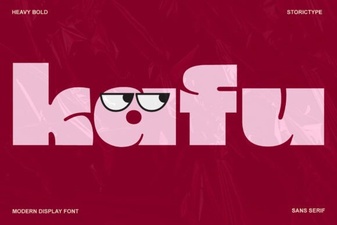 Kafu Font: Typography for Modern Design Projects
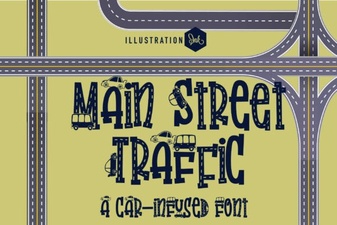 Choosing the Best Typography for Main Street
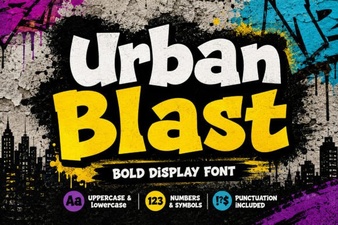 Urban Blast Font: Designs That Command Attention