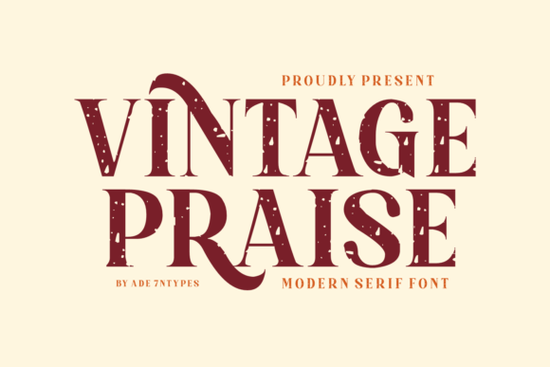
If you're looking for a serif font that feels both classic and fresh something with personality but still easy to read Vintage Praise Font is worth your attention. It’s not overly ornate, but it carries quiet confidence: think refined letterforms, subtle contrast in stroke weight, and thoughtful ligatures that appear naturally as you type. Designers and small business owners often choose it for branding projects where warmth and authenticity matter like café logos, boutique packaging, or handmade greeting cards.
What makes Vintage Praise Font different from other serif fonts?
Most vintage-inspired serifs lean heavily into nostalgia think heavy ink traps, exaggerated serifs, or distressed textures. Vintage Praise Font avoids that. Instead, it balances historical structure (like high-contrast stems and bracketed serifs) with clean spacing and open counters. That means it scales well across sizes from tiny product tags to large wall posters without losing legibility. It also includes alternate characters and discretionary ligatures, so you can add nuance without switching fonts or manually adjusting glyphs.
It’s especially helpful if you’re designing for print-on-demand platforms like Redbubble or Etsy. Because the font renders clearly at 300 DPI and supports standard Western Latin characters (plus basic punctuation and numerals), you won’t run into rendering issues when uploading mockups or SVG files.
Where does it work best?
You’ll find Vintage Praise Font shines in contexts where tone and texture matter more than speed or neutrality:
- Branding for small businesses especially lifestyle, wellness, or artisanal brands that want to signal care and craftsmanship
- Printed materials wedding stationery, recipe cards, book covers, or limited-run zines
- Digital use with intention hero text on a homepage, social media quote graphics, or email headers (just avoid body copy unless paired with a highly readable sans-serif)
It’s not meant to replace your go-to workhorse font for long paragraphs but it’s perfect when you need a single line to carry emotional weight. For example, pairing it with a simple sans-serif like Inter or Lato creates a balanced, modern-yet-rooted look.
How does it compare to similar fonts on Creative Fabrica?
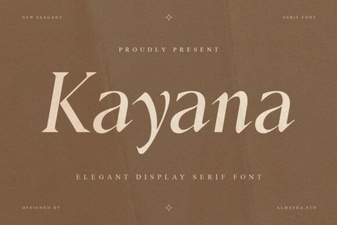
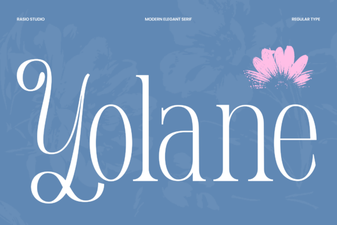
If you’ve tried Yolane Font, you’ll notice Vintage Praise has less calligraphic flair and more architectural consistency better for structured layouts. Compared to Blades of Fortunes Font, it’s quieter and less dramatic; no sharp angles or aggressive terminals here. And while Kayana Font leans romantic and delicate, Vintage Praise holds its ground with slightly bolder proportions and tighter spacing giving it presence without shouting.
All four are serif fonts designed for creative professionals, but each serves a different mood. If your project needs elegance without fuss, Vintage Praise Font fits neatly between tradition and restraint.
Practical tips before you download
Before using it commercially or even for personal projects double-check the license. The Creative Fabrica version includes both personal and commercial use rights, but doesn’t cover resale of the font file itself or embedding in apps/websites without additional licensing. You can use it to design and sell physical products (mugs, T-shirts, prints), digital downloads (Canva templates, printable planners), or client work as long as the font isn’t extracted or redistributed.
Also worth noting: it’s a desktop font (OTF format), so it works in Adobe apps, Affinity Suite, Cricut Design Space, and Silhouette Studio. It doesn’t auto-install on mobile devices, and isn’t web-optimized out of the box if you need web use, you’d need to convert and host it properly (or pair it with a system font fallback).
For reference, you can see how Vintage Praise Font looks in real user projects on Creative Fabrica, including mockups and layered PSD files.
Ready to try it?
Here’s what to do next:
- Download the OTF file and install it on your computer (Mac: double-click → “Install Font”; Windows: right-click → “Install”)
- Open a new document in your design app and test it at three sizes: 12pt (for captions), 36pt (for headings), and 120pt (for display)
- Try typing “The Daily Brew” or “Handmade With Care” notice how the ligatures (like “Th” or “an”) connect smoothly
- Pair it with a neutral sans-serif for body text you’ll immediately see how it adds character without overwhelming
- Save one version with default settings, and another with a couple of alternates enabled (check your font menu for “Stylistic Sets” or “Ligatures”)
That small test will tell you more than any description ever could because great typography isn’t about perfection. It’s about whether the font helps your message feel true.
Download Now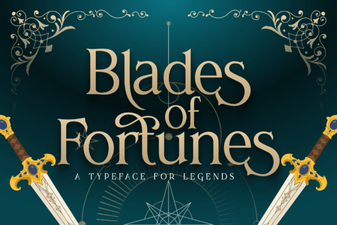 Blades of Fortunes Font Design and Download Guide
 Kayana Font: Creative Projects & Design Tips
 Yolane Font for Modern Ui Design
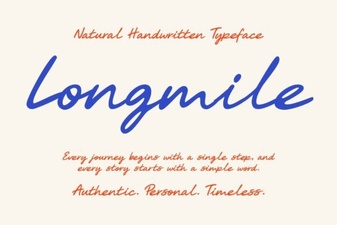 Longmile Font for Modern Ui Design and Projects
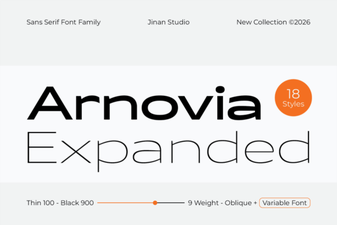 Discover Arnovia Expanded: Typography for Creative Design
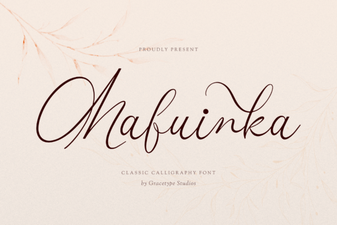 Mafuinka Font for Modern Graphic Design Projects